
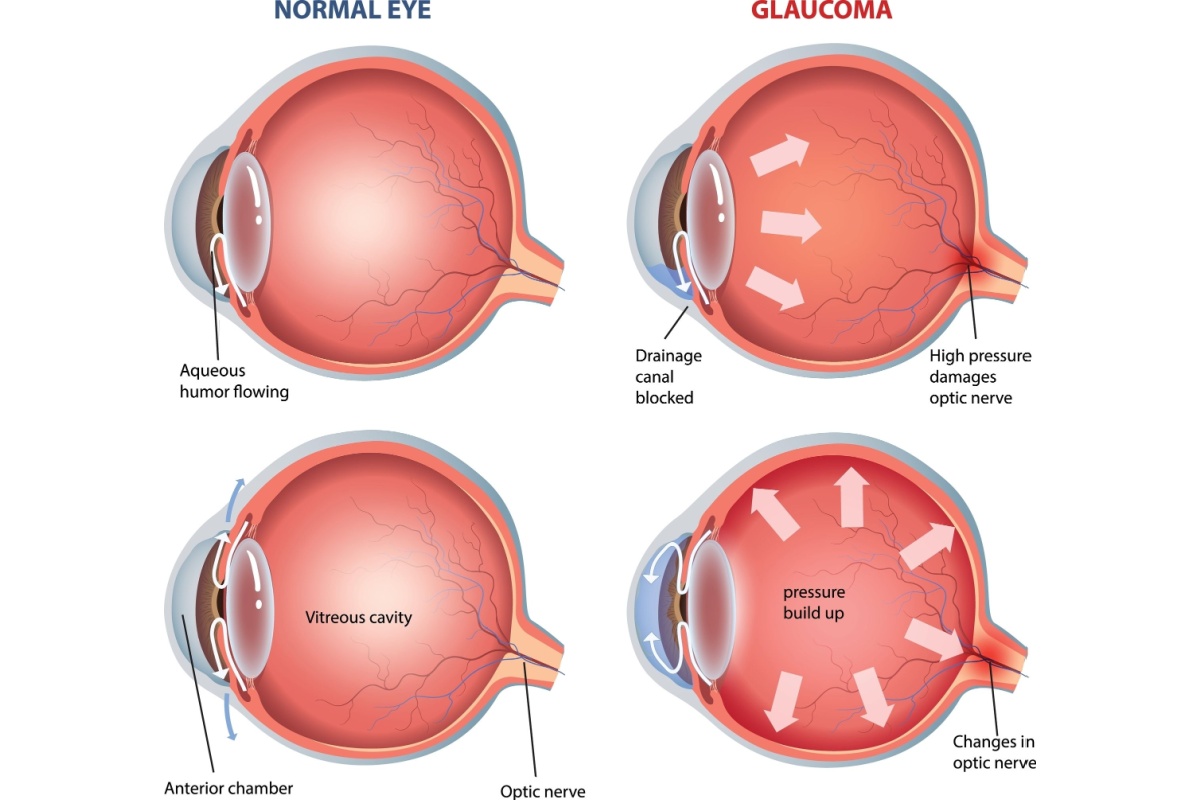
You might worry about developing glaucoma if your parents or grandparents had this eye condition. Family conversations about vision problems can leave you wondering whether you’re destined to face the same challenges with your eyesight. Erie Shores Eyecare helps families understand their genetic risks and develop personalized care plans.
When you have family history concerns, comprehensive eye disease diagnosis and management becomes your priority for protecting your vision.
Yes, glaucoma can be hereditary, and having family members with this condition increases your risk by three to nine times compared to people with no family history. However, genetics alone don’t determine your fate, early detection and proper care can help protect your vision.
What Glaucoma Means for Your Vision
Glaucoma damages the optic nerve that transmits visual information from your eye to your brain. The optic nerve contains over one million nerve fibers. When glaucoma damages these fibers, they die permanently, creating blind spots in your vision that cannot be restored.
This condition develops silently in most cases. You might not notice any symptoms until significant damage has already occurred. Once vision loss happens from glaucoma, it can’t be reversed.
Without treatment, glaucoma can lead to complete blindness. The condition affects over 400,000 Canadians, making it one of the leading causes of preventable blindness worldwide.
Main Types You Should Know About
Open-angle glaucoma represents about 90% of all cases. Your eye’s drainage system gets less efficient over time, like a sink with a partially clogged drain. Pressure builds up slowly, damaging your optic nerve without any pain or obvious symptoms.
Angle-closure glaucoma happens when your eye’s drainage angle gets blocked suddenly. This creates a medical emergency with intense eye pain, nausea, and rapid vision loss. You need immediate treatment to prevent permanent damage.
Congenital glaucoma affects babies born with drainage problems in their eyes. Parents often notice cloudiness in their child’s eyes or sensitivity to light during the first few months of life.
How Family History Affects Your Risk
Your DNA contains instructions that influence how your eyes develop and function. When parents or siblings have glaucoma, you inherit genetic variations that can affect your eye pressure levels and optic nerve structure.
Research shows that people with affected family members often develop glaucoma at younger ages. Your eye doctor needs to know this family history to create the right screening schedule for your situation.
The closer the family relationship, the higher your risk becomes. Having a parent with glaucoma creates more concern than having a distant relative with the condition. Specialized glaucoma testing can help detect early changes before symptoms appear.
Genetic Risk Factors to Consider
Primary open-angle glaucoma shows the strongest hereditary pattern. If your mother or father developed this type, you face the highest genetic risk for developing glaucoma yourself.
Multiple affected family members compound your risk significantly. Having both a parent and sibling with glaucoma means you need more frequent monitoring and potentially earlier intervention.
Some families experience faster disease progression when multiple members are affected. Your doctor can use this information to customize your treatment approach and monitoring schedule.
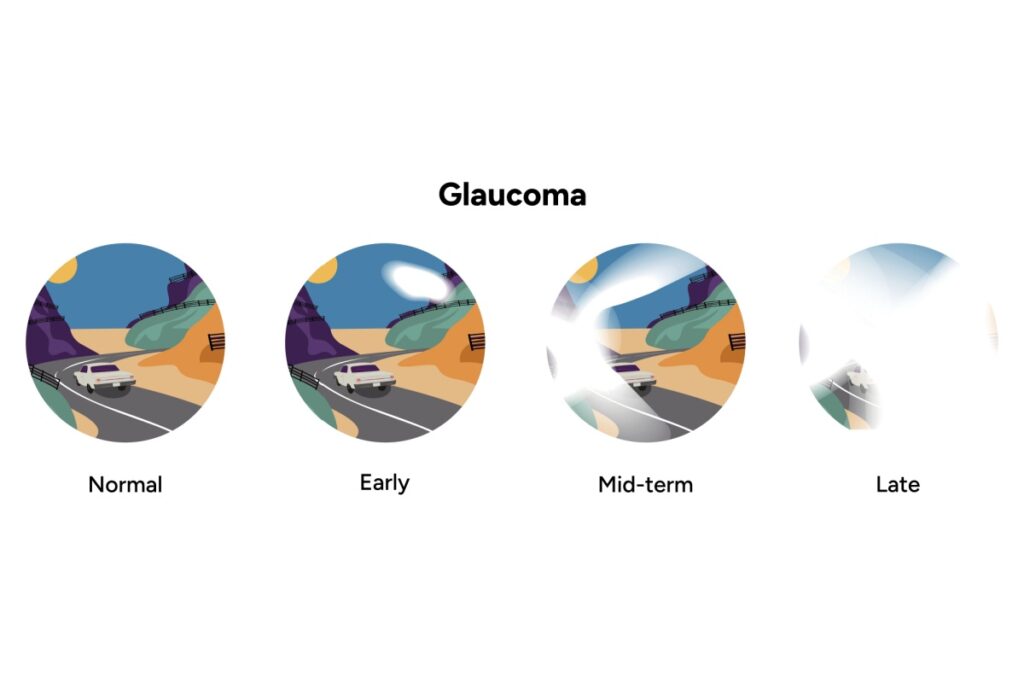
Early Warning Signs to Watch For
Peripheral vision loss happens so gradually that your brain compensates for missing areas. You might bump into objects on your sides or have trouble seeing cars when changing lanes while driving.
Eye pressure rarely causes noticeable symptoms in open-angle glaucoma. However, some people experience mild headaches, eye fatigue, or difficulty adjusting to darkness.
Blurred vision can occur in later stages, but this symptom often gets attributed to aging or needing new glasses. Regular comprehensive eye exams catch glaucoma before these obvious symptoms appear. Vision field testing can detect early changes in your peripheral vision.
When to Seek Immediate Care
Sudden intense eye pain accompanied by nausea and vomiting signals a possible angle-closure glaucoma attack. This situation requires emergency treatment within hours to prevent permanent blindness.
Rainbow-coloured halos around lights, especially at night, can indicate rising eye pressure. Don’t wait to see if this symptom goes away on its own.
Rapid vision loss in one or both eyes needs immediate medical attention. Even if the vision loss seems to improve, underlying damage might be occurring that requires prompt treatment.
Lifestyle Changes That Help
Regular exercise helps maintain healthy blood flow to your optic nerve and can help regulate eye pressure. Even moderate activities like walking for 30 minutes daily can provide benefits for your eye health.
Protect your eyes from UV damage with quality sunglasses when outdoors. While UV exposure doesn’t directly affect glaucoma risk, maintaining overall eye health supports your vision protection efforts.
Managing conditions like diabetes and high blood pressure helps preserve the small blood vessels that nourish your optic nerve. These health conditions can worsen glaucoma damage when left uncontrolled.
Protect Your Vision with Early Detection
Your family history doesn’t have to determine your visual future. If glaucoma runs in your family, early detection and treatment can help preserve your vision.
Schedule a comprehensive eye exam at Erie Shores Eyecare to discuss your family history and determine the right screening schedule for your risk level. We’ll measure your eye pressure, evaluate your optic nerve health, and create a monitoring plan to catch changes early, before permanent vision loss occurs.