

Living with diabetes means keeping track of a lot on a daily basis. You monitor your blood sugar, plan your diet, and manage your medications. Your eyes might not be the first thing on your mind, but they’re quietly affected by what happens in your bloodstream every day.
The tricky part is that by the time you notice something’s off with your vision, changes in your eyes may already be well underway.
Diabetic retinopathy is a condition where high blood sugar damages the blood vessels in your retina, the light-sensitive tissue at the back of your eye. It’s a significant cause of vision loss in adults with diabetes. The good news is that regular monitoring and early detection provide you with proactive options to help protect your sight over time.
What Diabetic Retinopathy Does to Your Vision
Your retina is fed by a network of tiny blood vessels, and high blood sugar takes a toll on them over time. When those vessels are repeatedly exposed to elevated glucose levels, they weaken, leak, or swell. This disruption prevents your retina from receiving the nutrients it needs to function properly. Diabetes affects eye health in more ways than most people realise, including raising the likelihood of developing cataracts and glaucoma alongside retinopathy.
What makes this process especially easy to miss is that the damage builds gradually. In the early stages, you may feel like your vision is completely fine. People often experience no noticeable symptoms until the condition progresses further, which is exactly why routine eye exams matter so much for anyone managing diabetes.
When symptoms do appear, they’re worth taking seriously. Keep an eye out for:
- Blurry or fluctuating vision
- Dark spots or floaters in your field of view
- Difficulty seeing in low light
These changes don’t always point to diabetic retinopathy on their own, but they’re signals that your eyes deserve a closer look.
The 4 Stages of Diabetic Retinopathy
Diabetic retinopathy doesn’t appear all at once. It develops in stages, and each stage reflects a different level of change in your retinal blood vessels. These stages include:
- Mild: Small swellings, called microaneurysms, form in the retinal blood vessels. Your vision may not be affected at this point.
- Moderate: Blood flow to the retina becomes blocked or reduced. The retina starts to lose the nourishment it depends on, and the chance of further damage increases.
- Severe: More blood vessels become blocked, depriving areas of the retina of their blood supply. These areas then send signals to the body to grow new blood vessels.
- Proliferative: The retina responds by growing new blood vessels. However, these new vessels are highly fragile and prone to leaking. This stage carries a high risk of significant vision changes.
Why Regular Eye Exams Matter
Diabetes is the foundation of this condition, but certain factors can increase how quickly or severely it develops. The longer someone has lived with diabetes, the more exposure their retinal vessels have had, increasing the risk of damage over time.
High blood pressure is another factor that compounds retinal stress. When your blood pressure is elevated alongside your blood sugar, the vessels in your eyes face pressure from two directions at once.

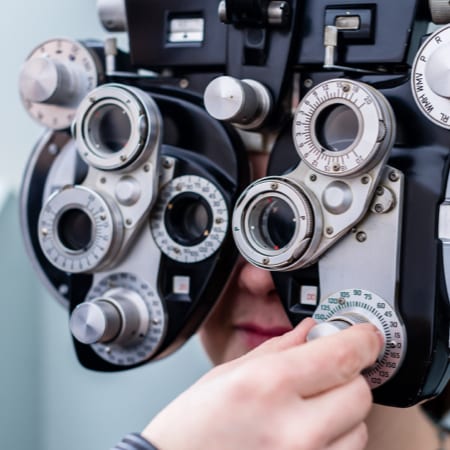
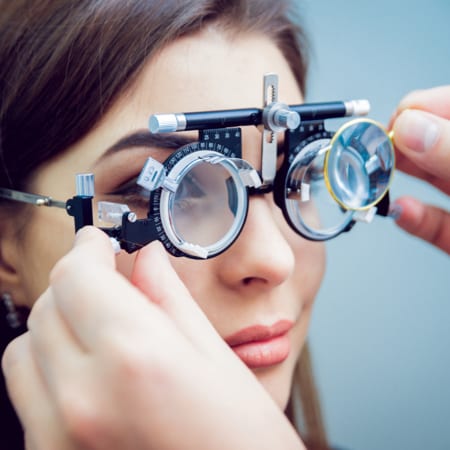
Eye exams can detect retinal changes before you ever notice a difference in your vision. That head start makes a real difference in how your doctor manages the condition. Thorough retinal assessments give you a clearer picture of what’s happening inside your eyes. Tools like optical coherence tomography (OCT) allow optometrists to obtain detailed cross-sectional images of the retina, enabling them to detect changes that might otherwise be invisible.
If you have diabetes and haven’t had a comprehensive eye exam recently, it’s worth scheduling one. The earlier any changes are found, the more options your care team has to work with.
Eye Disease Management for Diabetic Retinopathy
A diabetic retinopathy diagnosis doesn’t mean vision loss is inevitable. It simply means your optometrist will structure your care to be more attentive. Regular monitoring helps us track how the condition changes over time, so we can take the right steps at the appropriate moments.
Eye disease management for diabetic retinopathy may include scheduled follow-up exams and, when needed, referrals to specialists for treatment.
Other Eye Conditions Linked to Diabetes
Diabetic retinopathy isn’t the only eye concern that comes with diabetes. Other conditions include:
- Diabetic macular edema: Swelling develops near the macula, the part of the retina responsible for your central vision. This swelling can affect your ability to read, recognize faces, or see fine detail.
- Cataracts: People with diabetes tend to develop cataracts earlier and more frequently. Cloudiness in the eye’s lens gradually dims your vision over time.
Both conditions can be identified during routine exams. Ongoing, proactive care keeps your eyes healthy. Rather than waiting for symptoms to appear, scheduling regular appointments creates a reliable record of your eye health that helps your optometrist notice any changes early.
Take Charge of Your Eye Health Today
Living with diabetes takes diligence, but you don’t have to manage your eye health alone. Staying proactive with your vision care is a wonderful way to maintain your quality of life. By prioritizing regular comprehensive eye exams, you’re empowering yourself with the knowledge to support your sight for the future.
At Erie Shores Eyecare, our team supports patients with comprehensive eye care tailored to their unique needs, including those actively managing diabetes. Staying on top of your retinal health is as easy as stopping by our clinic.
Book your appointment with Erie Shores Eyecare today and give your eyes the attention they deserve!