

Key Takeaways
- Halos around lights happen when light doesn’t bend properly through your eye.
- Dry eye, astigmatism, cataracts, and certain eye diseases are common causes.
- Some halos are temporary and tied to surgery or lens type.
- Sudden halos with pain or redness need prompt attention.
- An eye exam can identify the cause and point you toward the right care.
You’re driving at night, and the headlights from oncoming traffic look like glowing rings. Streetlights seem to bloom outward. It’s distracting, maybe a little unsettling, and you’re not sure if it’s something to worry about.
Halos around lights are bright rings or circles that appear when light scatters inside your eye instead of focusing cleanly on your retina. They’re most noticeable at night because your pupils are wider in low light, letting in more light at once. Erie Shores Eyecare sees this concern come up often, and while halos aren’t always a sign of something serious, they’re worth paying attention to. If night vision changes have been on your mind, a comprehensive eye exam is a good place to start.
Common Eye Conditions That Can Cause Halos
Dry Eye and Corneal Shape Issues
Your cornea is the clear front surface of your eye, and it needs to be smooth to focus light properly. When it’s not, you’ll likely notice it at night.
Dry eye leaves the corneal surface uneven, which scatters incoming light. That scatter is what creates the halo effect. Astigmatism works similarly. An irregularly shaped cornea bends light at inconsistent angles, so instead of a sharp point of light, you see a spread-out glow or ring. Both conditions are common, and both are manageable with the right care.
Cataracts and Age-Related Changes
Inside your eye sits a clear lens. As you get older, that lens can gradually cloud over. That’s a cataract.
A cloudy lens scatters light the same way frosted glass does, and halos can become a regular part of night vision. Cataracts are more common after age 50 and tend to develop slowly, so the changes can be subtle at first. You might notice halos long before your daytime vision feels affected.
Glaucoma and Fuchs’ Dystrophy
Some eye conditions affect the cornea or increase pressure inside the eye, both of which can distort how light enters.
Glaucoma, when pressure builds up in the eye, can damage corneal tissue and cause halos. Fuchs’ dystrophy causes the cornea to swell, which bends light incorrectly. If you notice halos that appear suddenly alongside eye pain, a headache, or nausea, that combination needs to be looked at right away. It can sometimes point to acute angle-closure glaucoma, which requires prompt care. Erie Shores Eyecare offers eye disease diagnosis and management for conditions like these.
When Halos Are a Normal Side Effect
Not every halo means something is wrong. Sometimes your eye is just adjusting.
After LASIK or cataract surgery, halos are fairly common in the weeks that follow as your eye heals. They usually fade on their own. Multifocal contact lenses or intraocular lenses split your vision between distance and near zones, and that split can create a halo effect, especially at night. Night myopia is another one worth knowing about. Some people’s eyes shift slightly in low light, causing blur and halos that should disappear in bright conditions.

Signs You Should Get Your Eyes Checked Soon
Some combinations of symptoms shouldn’t wait for your next scheduled exam.
- Sudden halos paired with eye pain or a severe headache
- Redness, nausea, or blurred vision appearing at the same time as halos
Ongoing Symptoms Worth Monitoring
Other symptoms are less urgent but still worth tracking and discussing with an optometrist.
- Halos that make night driving feel unsafe or difficult
- Vision that’s gradually getting worse or prescription changes that seem to happen often
How an Eye Exam Can Help You Find Answers
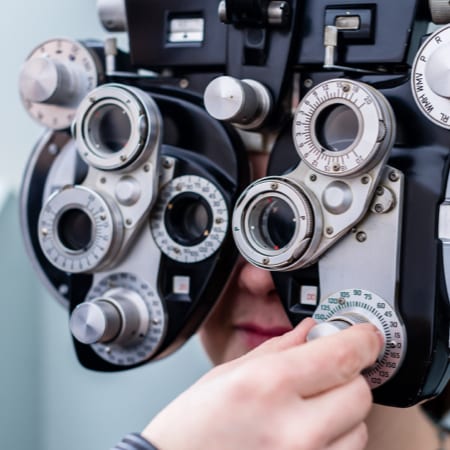
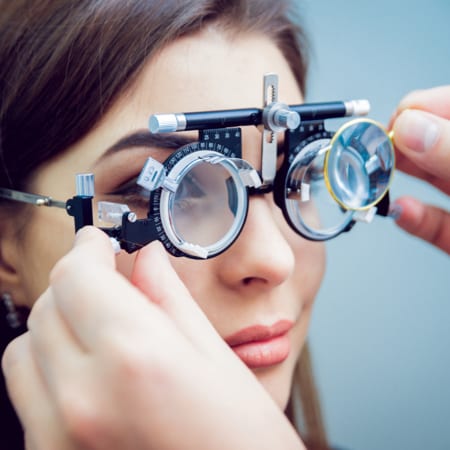
Halos aren’t something you have to just live with. An eye exam can give you a clear picture of what’s actually going on.
We can identify whether your halos are tied to dry eye, a refractive issue, early cataracts, or something that needs closer monitoring. From there, care options such as dry eye treatment and eye disease management can be matched to your eyes’ actual needs.
At Erie Shores Eyecare, our team takes a patient-focused approach to every exam. If halos around lights have been bothering you or you’re noticing changes in your night vision, reaching out to book an appointment is a practical first step toward getting some clarity.